
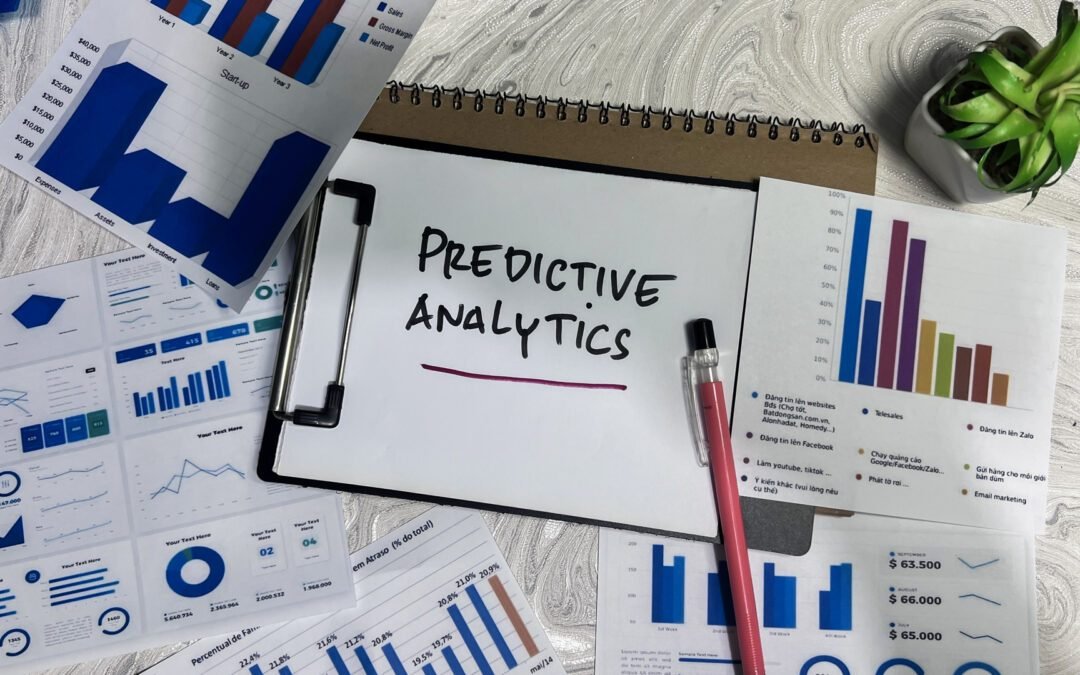
In the modern marketing landscape, staying ahead of customer expectations isn’t just an advantage—it’s a necessity. Businesses that can anticipate market shifts, customer behaviors, and emerging trends gain a competitive edge. This is where predictive analytics, powered by artificial intelligence (AI), becomes a game-changer.
AI-driven predictive analytics enables businesses to forecast customer behavior, personalize marketing campaigns, and optimize decision-making with a level of precision that was once impossible. In this article, we’ll explore how predictive analytics works, why it’s crucial for marketing, and how businesses can harness AI-driven insights to stay ahead of customer trends.
What is Predictive Analytics?
Predictive analytics uses historical data, machine learning algorithms, and AI to identify patterns and predict future outcomes. Unlike traditional data analysis, which looks at past performance, predictive analytics focuses on what is likely to happen next.
In marketing, predictive analytics can:
- Identify potential leads most likely to convert.
- Forecast customer purchase behaviors.
- Improve customer segmentation and targeting.
- Optimize pricing and promotions based on demand trends.
- Enhance customer retention by predicting churn.
By leveraging AI, businesses can automate these insights, making data-driven decisions faster and more efficiently.
Why Predictive Analytics Matters in Marketing
The power of predictive analytics lies in its ability to transform raw data into actionable insights. Here’s how it benefits businesses:
1. Better Customer Targeting
Predictive models analyze customer interactions, preferences, and behaviors to determine which audiences are most likely to engage with a brand. AI refines this process by continuously learning and improving the accuracy of predictions.
For example, e-commerce brands use predictive analytics to recommend products based on past browsing and purchasing behavior. This enhances the customer experience, increases conversion rates, and drives revenue growth.
2. Personalized Marketing Campaigns
AI-powered predictive analytics helps marketers create highly personalized content and offers. By analyzing past engagement patterns, businesses can:
- Send customized emails with relevant product recommendations.
- Tailor ad placements based on browsing habits.
- Adjust messaging strategies to align with customer preferences.
Personalization is no longer a luxury—it’s an expectation. Predictive analytics ensures businesses meet these expectations effectively.
3. Predicting and Preventing Customer Churn
Retaining customers is more cost-effective than acquiring new ones. AI can analyze customer interactions, purchase history, and engagement metrics to identify signs of churn before it happens.
For instance, if a subscription-based service detects a decline in user engagement, predictive analytics can trigger targeted retention strategies, such as special discounts or personalized follow-ups, to re-engage at-risk customers.
4. Optimized Pricing Strategies
Dynamic pricing models, powered by predictive analytics, allow businesses to adjust prices based on real-time demand and customer behavior. Airlines, hotels, and e-commerce platforms leverage AI-driven pricing strategies to maximize profits and enhance customer satisfaction.
By anticipating peak buying periods and adjusting pricing accordingly, businesses can maintain a competitive edge while improving revenue margins.
5. Enhancing Product Development
Predictive analytics doesn’t just shape marketing strategies—it also informs product development. By analyzing customer feedback, reviews, and engagement trends, businesses can identify what products or features customers want next.
For example, streaming platforms like Netflix and Spotify use predictive analytics to recommend content and develop original programming based on viewing/listening patterns.
How Businesses Can Implement Predictive Analytics
1. Leverage AI-Powered Tools
Businesses don’t need to build predictive models from scratch. There are numerous AI-driven platforms designed for marketing analytics, including:
- Google Cloud AI
- IBM Watson Analytics
- Salesforce Einstein AI
- HubSpot Predictive Lead Scoring
These platforms integrate seamlessly with existing marketing tools, providing automated insights without requiring deep technical expertise.
2. Collect and Analyze Quality Data
Predictive analytics is only as accurate as the data it relies on. Businesses should ensure they are collecting high-quality, relevant data from multiple sources, including:
- Website interactions
- Social media engagement
- Purchase history
- Customer feedback
Combining structured (e.g., CRM data) and unstructured (e.g., sentiment analysis from reviews) data sources enhances the accuracy of predictions.
3. Use Machine Learning to Refine Predictions
AI-powered machine learning algorithms continuously learn from new data, improving the accuracy of forecasts over time. Businesses can use these models to:
- Predict customer lifetime value (CLV)
- Forecast demand for specific products
- Identify emerging trends before competitors
4. Implement Predictive Insights into Marketing Campaigns
To fully capitalize on predictive analytics, businesses should integrate insights directly into their marketing strategies. This includes:
- Automating personalized content delivery based on predictive insights.
- Adjusting ad targeting parameters dynamically.
- Creating retention campaigns based on churn predictions.
A data-driven approach ensures marketing efforts are proactive rather than reactive.
Conclusion
In a fast-evolving market, businesses that leverage predictive analytics gain a strategic advantage by anticipating customer needs, improving targeting, and optimizing decision-making. With AI-driven insights, companies can move beyond guesswork and embrace a data-driven approach to marketing.
At THiNK-Ai.Marketing, we help businesses harness the power of AI-driven predictive analytics to refine their marketing strategies and drive measurable results. If you’re ready to elevate your marketing with AI-powered insights, contact us today to explore how predictive analytics can transform your business and keep you ahead of customer trends.