
In an age where data is abundant and digital tools are more accessible than ever, businesses have every opportunity to create impactful, cost-effective marketing strategies. Yet, many still fall into common traps—errors that quietly drain resources, stifle growth, and erode customer trust.
Whether you’re a small business looking to scale or an established brand trying to stay competitive, recognizing these marketing pitfalls—and knowing how to address them—can be the difference between stagnant results and sustainable success.
1. Not Defining Clear Marketing Objectives
Too often, businesses launch campaigns without clearly defined goals. “We want more sales” or “We need brand awareness” is not specific enough to guide strategy or measure performance. Without concrete objectives, your team can’t align efforts, and your campaigns risk becoming reactive rather than strategic.
The Fix
Start with SMART goals—Specific, Measurable, Achievable, Relevant, and Time-bound. For example:
- Increase email click-through rate by 15% in Q2.
- Generate 300 qualified leads through paid search by the end of the month.
Once objectives are set, reverse-engineer your marketing plan to ensure every activity directly supports these goals. Use tools like Google Analytics, HubSpot, or Salesforce to track progress and refine efforts in real time.
2. Ignoring Your Customer Data
Many businesses collect data—website visits, email opens, social metrics—but never fully leverage it. This leaves valuable insights on the table and leads to generic campaigns that miss the mark with their target audience.
The Fix
Use your existing customer data to guide personalization and segmentation. AI-powered platforms can analyze behavioral patterns and help identify high-intent segments, enabling you to deliver more relevant content, offers, and messaging.
For example, if a user visits a pricing page multiple times but doesn’t convert, an automated email campaign can be triggered, offering a personalized discount or demo invite. Data should inform—not follow—your marketing strategy.
3. Inconsistent Brand Messaging
When your website, social media, email newsletters, and sales materials all speak in different voices, it creates confusion and undermines trust. This often happens when messaging is created in silos without centralized oversight.
The Fix
Develop a unified brand messaging framework that outlines tone, key value propositions, and core differentiators. Ensure all team members and vendors have access to this document.
AI writing assistants and brand voice tools can help maintain consistency across content, while project management platforms like Asana or Trello ensure messaging is aligned at each stage of campaign development.
4. Relying on One or Two Marketing Channels
Placing all your marketing budget into one channel—whether it’s paid search, email, or organic social—limits your reach and increases your risk. If the platform changes its algorithm or performance dips, your entire strategy suffers.
The Fix
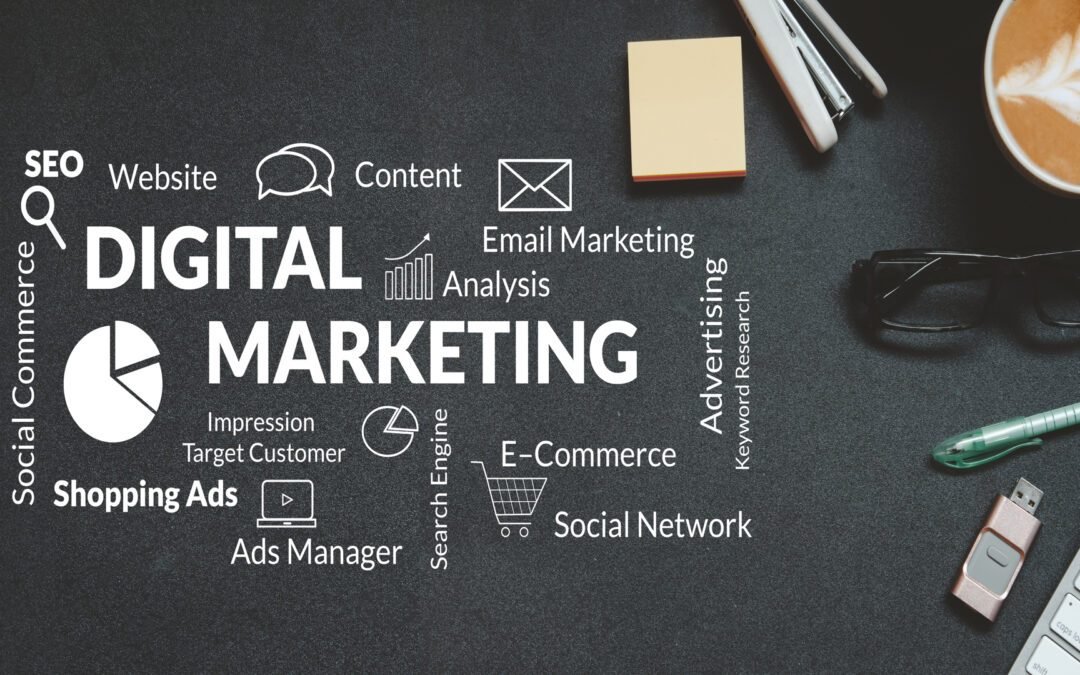
Diversify your marketing mix. A healthy strategy might include a combination of:
- Organic search (SEO)
- Paid ads (Google, LinkedIn, Meta)
- Email marketing
- Social media
- Content marketing
- Webinars or video
Use attribution modeling to identify which channels contribute to conversions at each stage of the funnel. This data will help you invest more strategically and ensure your efforts work together rather than in isolation.
5. Not Testing and Optimizing Campaigns
Set-it-and-forget-it marketing is a recipe for missed opportunities. Without regular testing, businesses continue running underperforming ads or sending emails with low engagement, burning budget and losing leads.
The Fix
Adopt a culture of experimentation. Use A/B testing to compare subject lines, landing page designs, or ad creatives. AI-driven analytics platforms can surface performance anomalies and recommend optimizations.
For instance:
- Test different call-to-actions (CTAs) on your landing pages.
- Experiment with email send times and frequency.
- Rotate ad creatives every 2–4 weeks to avoid fatigue.
Continuous improvement, even in small increments, adds up to significant gains over time.
Turning Mistakes Into Momentum
Marketing is both an art and a science. While creativity fuels brand storytelling, data and structure ensure your efforts yield results. The good news? These common marketing mistakes are fixable—often with just a few strategic adjustments.
Here’s a quick recap:
Mistake | Fix |
Undefined goals | Set SMART objectives and align activities accordingly |
Underused data | Leverage analytics to personalize and segment campaigns |
Inconsistent messaging | Develop a unified brand voice and messaging guide |
Overreliance on single channels | Diversify your marketing mix and track attribution |
No testing or optimization | Embrace A/B testing and AI-driven performance reviews |
Correcting these missteps can significantly improve your marketing performance, boost ROI, and enhance customer engagement, without the need for massive budget increases or headcount expansions.
Final Thoughts
Marketing today is fast-paced and ever-evolving, but it doesn’t have to feel overwhelming. By identifying the blind spots in your current strategy and implementing simple yet effective fixes, you’ll put your business on a clearer path to growth.
At THiNK-Ai, we help businesses harness the power of AI and data-driven strategy to overcome marketing roadblocks and outperform the competition. Ready to eliminate inefficiencies and future-proof your marketing? Let’s talk.